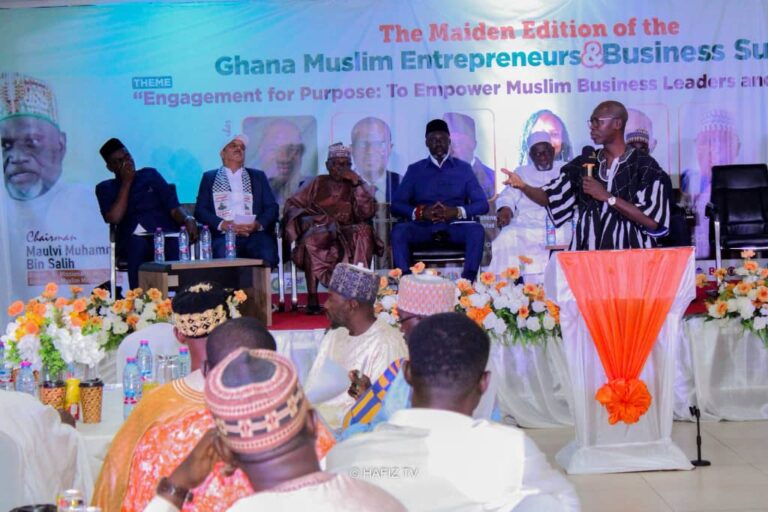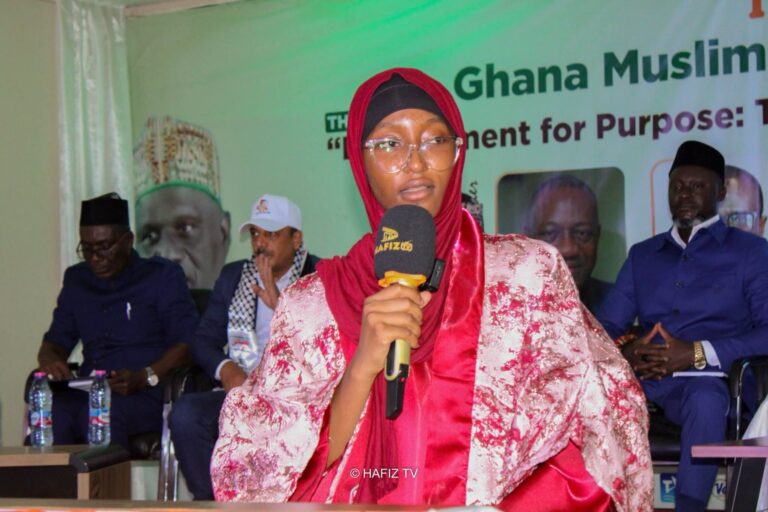
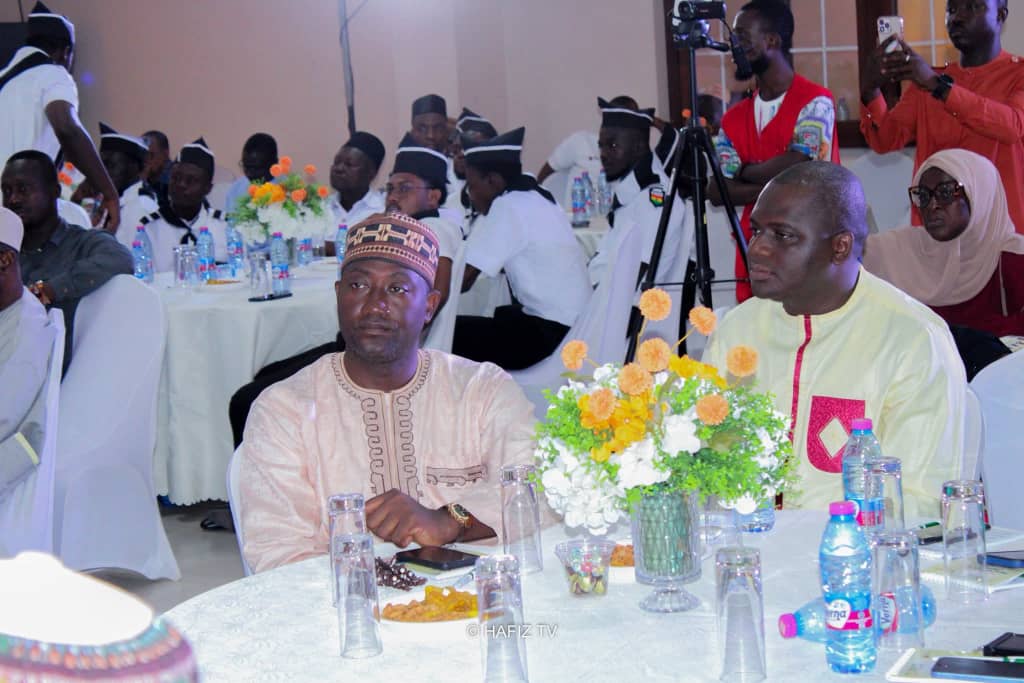
Islamic finance and banking were important areas of discussion at the Ghana Muslim Entrepreneurs and Business Summit 2025. The summit highlighted efforts to develop an Islamic financial system in Ghana based on principles of justice, transparency and fairness.
A major distinction discussed was the difference between risk-sharing and risk-shifting. Islamic finance was presented as relying on arrangements such as Mudarabah, where profits are shared between parties, rather than conventional arrangements based on interest.
The summit also discussed asset-backed financing. Under this approach, financial activity is connected to a tangible asset or service. The discussion linked this principle to concerns about speculative financial activity and the economic problems that can result from it.
Zakat was also presented as an important part of the Islamic economic framework. The mandatory transfer of wealth from those with sufficient means to those in need was discussed as a potential means of supporting areas such as education, healthcare and poverty alleviation.
The summit noted that a draft framework for Islamic finance in Ghana was being refined by experts and policymakers. The stated objective was to develop an approach that would provide space for Islamic financial practices within Ghana’s financial system.
The discussion is significant for Muslim entrepreneurs because access to appropriate financial products can affect the ability of businesses to start, operate and expand. The development of Islamic finance could provide additional options for entrepreneurs who seek financial arrangements consistent with their religious principles.
The summit’s discussion did not present Islamic finance as a separate economic system detached from Ghana’s wider economy. Rather, it focused on developing financial options based on principles that can operate within the country’s financial environment.
The continuing development of an Islamic finance framework was therefore presented as an important area for entrepreneurs, policymakers and financial institutions to follow as Ghana’s business environment evolves.