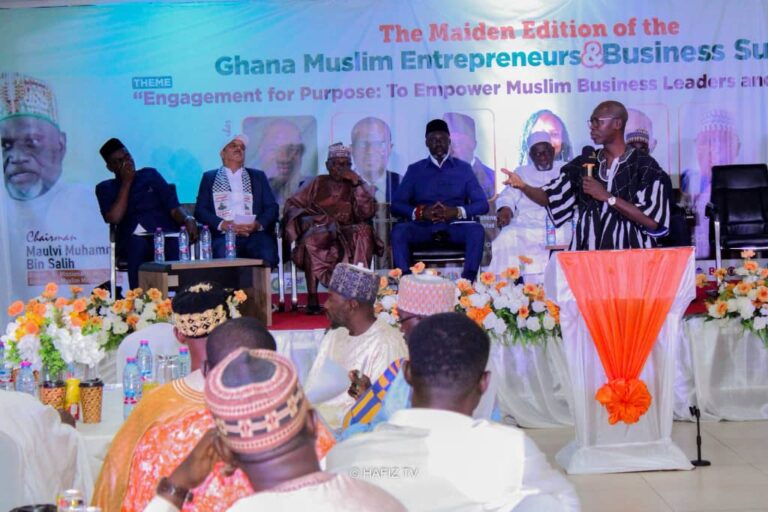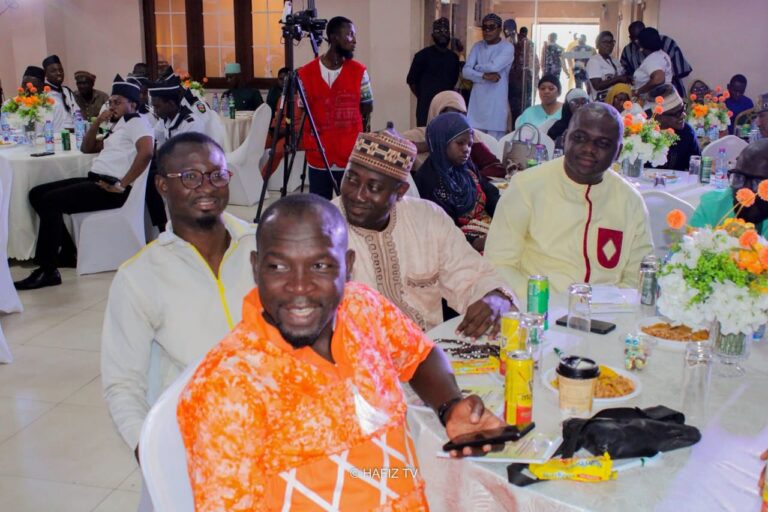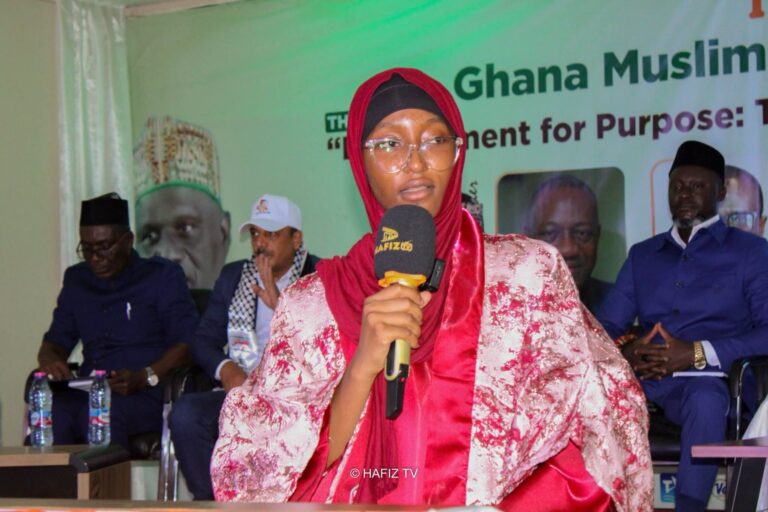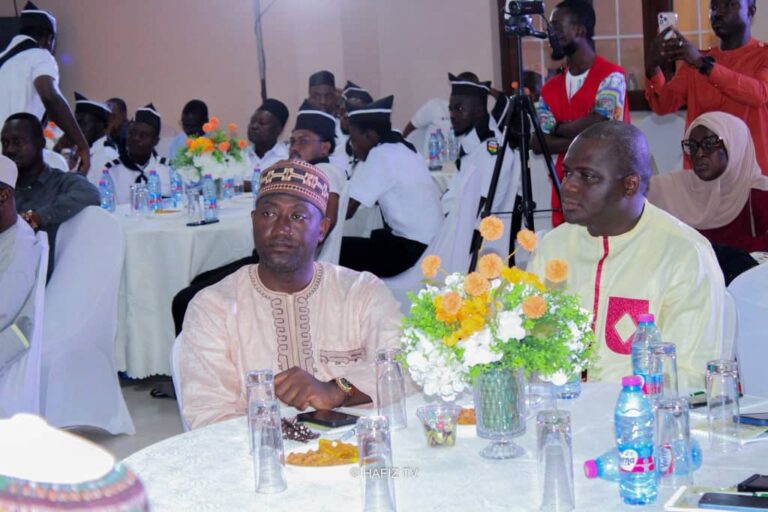
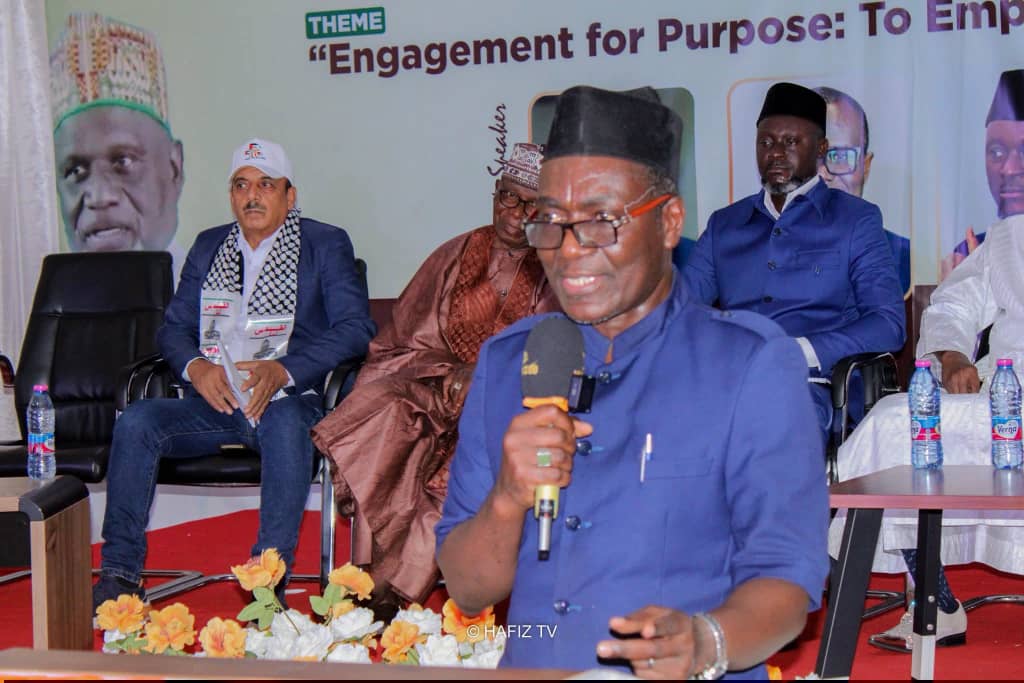
The Ghana Muslim Entrepreneurs and Business Summit 2025 raised concerns about the
decline of some once-prominent Muslim-owned businesses and linked the problem partly to
weak succession planning.
The summit emphasised that succession planning is not simply about finding someone to
replace a chief executive when the time comes. It involves preparing people to understand and
manage the different functions that keep a business operating.
A business can become vulnerable when too much knowledge and responsibility are
concentrated in one person. If other people within the organisation are not prepared to take on
important responsibilities, the business may struggle when its main leader is no longer
available.
Functional succession was therefore presented as an important part of business sustainability.
People must be trained to manage specific operations so that the organisation can continue
even when one individual is absent.
The issue is particularly relevant to family businesses. The summit observed that younger,
educated generations may sometimes view traditional family businesses, including market
trading and food businesses, as unattractive. This can make it difficult for established
enterprises to attract the next generation.
One solution discussed was to modernise and rebrand indigenous businesses. Traditional
businesses such as Waakye or tea selling could be developed into modern, scalable brands
rather than being viewed only as informal or small-scale activities.
The comparison with international brands such as Starbucks and KFC was used to illustrate
how familiar products can be developed into structured and recognisable businesses.
This approach does not require abandoning the traditional business. Instead, it involves
considering how the business can be organised, branded and managed in ways that make it
attractive to a new generation.
Succession planning therefore involves both people and systems. Businesses need individuals
who can take responsibility, but they also need processes and knowledge that can be passed
from one generation to another.
The summit’s message was that building a successful business is only part of the task. Ensuring
that the business can survive its founder or current leadership is equally important.