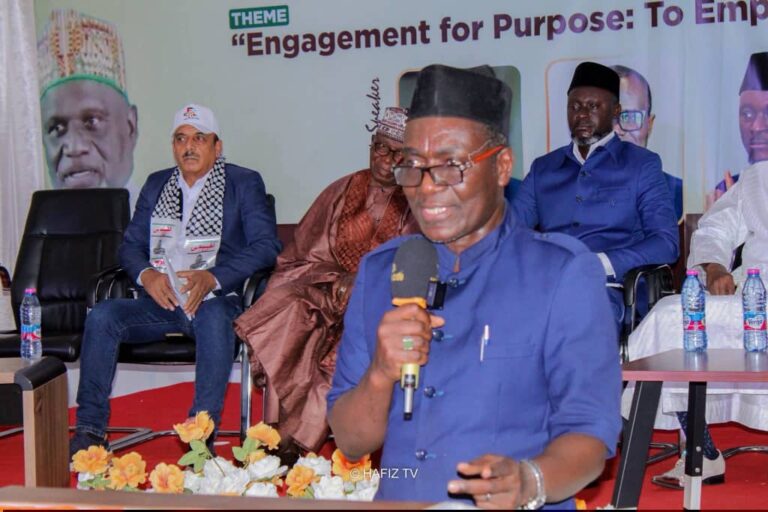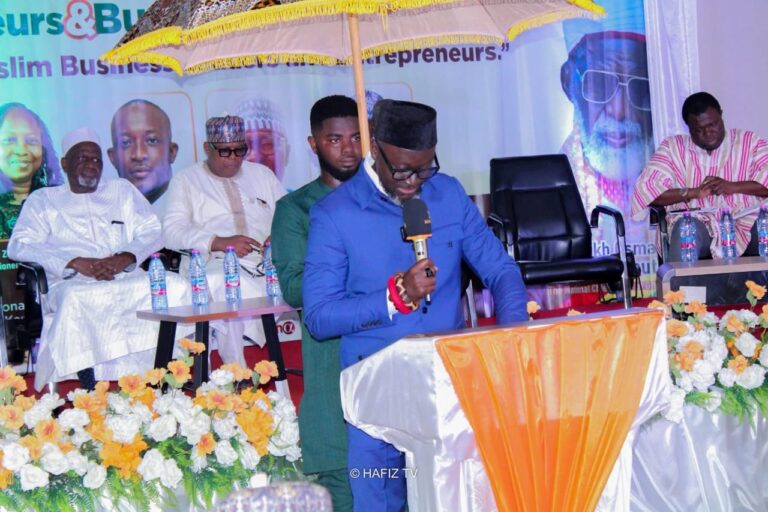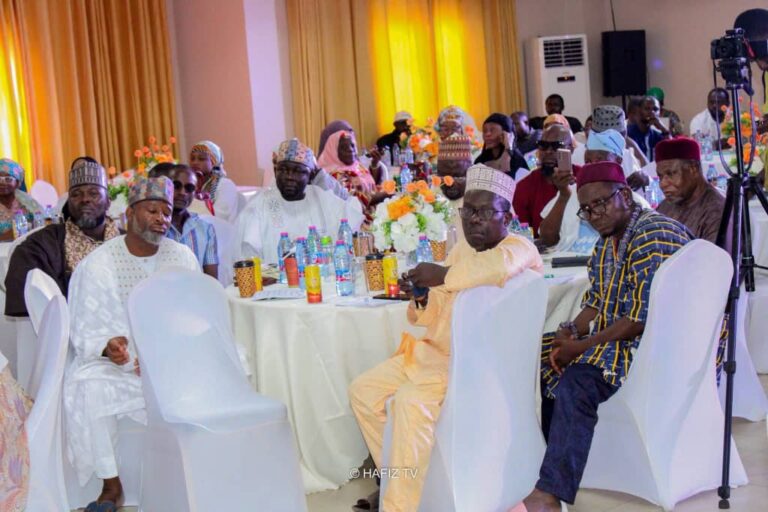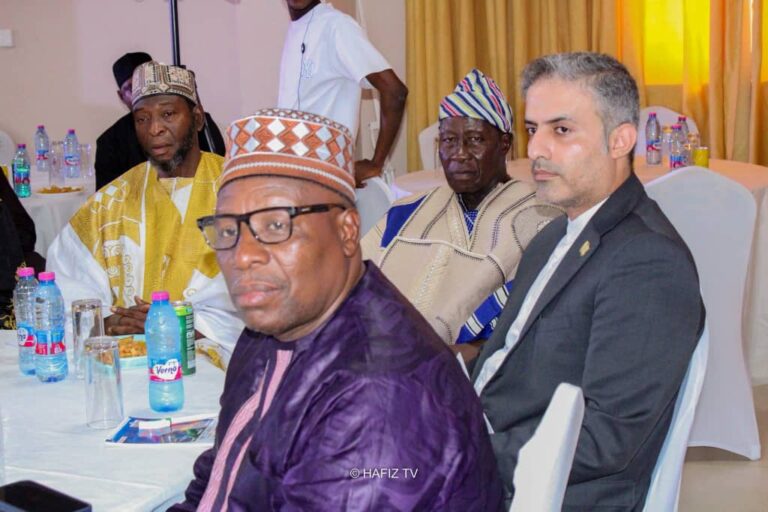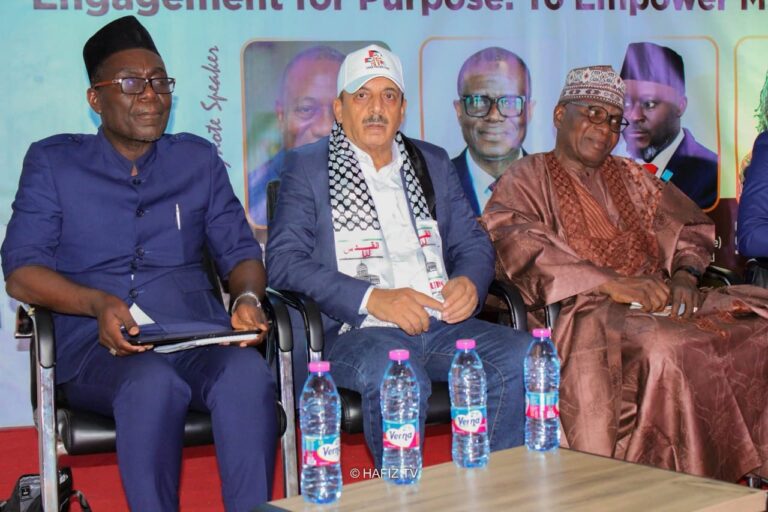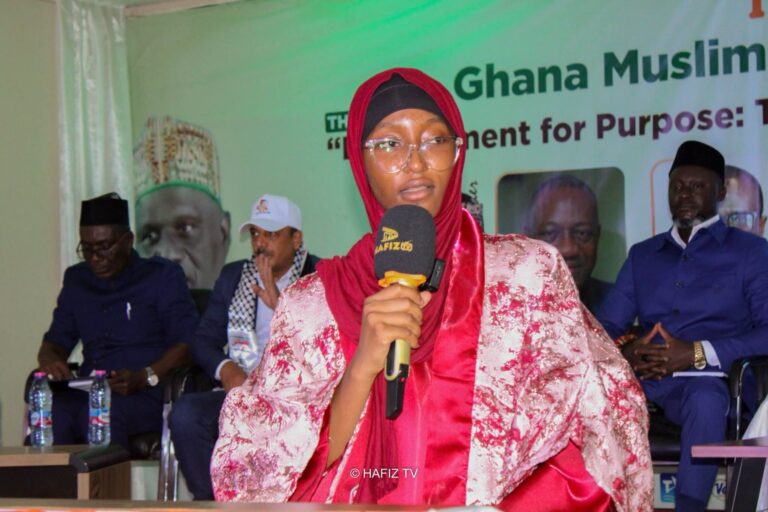
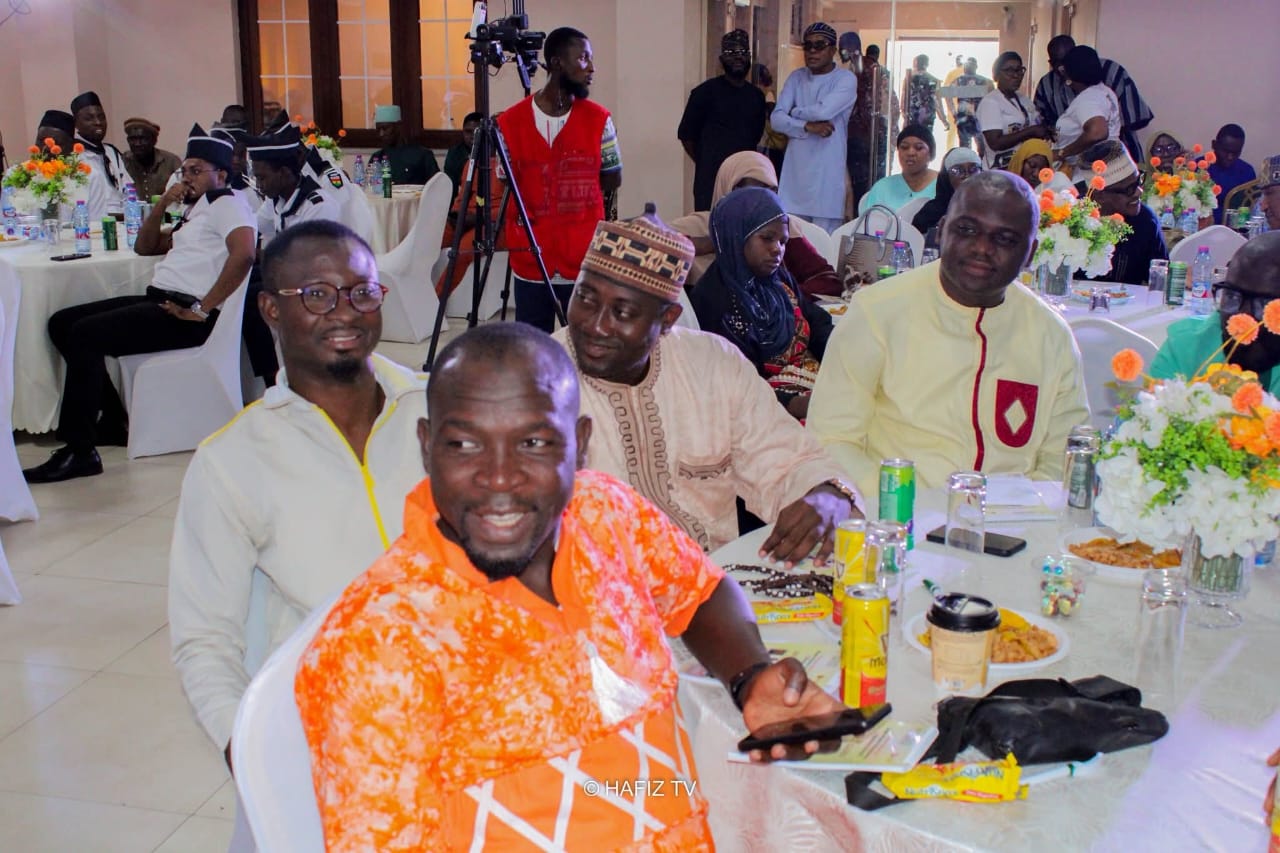
The maiden Ghana Muslim Entrepreneurs and Business Summit 2025 brought together industry leaders, innovators, entrepreneurs and business actors to discuss the economic development of the Muslim community and its contribution to Ghana’s wider economy.
A central message from the summit was the need for a change in mindset. Rather than depending on assistance, members of the Muslim community were encouraged to develop the skills, businesses and capacity needed to create sustainable economic opportunities. The summit described this transition as moving from being given a fish to learning how to fish.
The discussions also emphasised that entrepreneurship and faith should not be treated as separate areas. Business was presented as a means of earning a halal livelihood, serving society and fulfilling one’s responsibilities. The example of Prophet Muhammad (PBUH) as a merchant was cited as part of the Islamic tradition of commerce.
Ethical conduct was another major theme. Entrepreneurs were encouraged to build businesses around hard work, knowledge, market awareness, honesty and responsible risk-taking. Fraud was identified as a serious national vice, while participants were urged to develop businesses that can withstand challenges and changing market conditions.
The summit also examined developments in Islamic finance and insurance in Ghana. Discussions covered risk-sharing, asset-backed financing, Zakat and the development of an Islamic finance framework. The National Insurance Commission’s work on Takaful through a regulatory sandbox was also highlighted.
Business sustainability received significant attention. Participants discussed the decline of some once-prominent Muslim-owned businesses and the importance of succession planning. The summit stressed that succession should involve preparing people to perform specific business functions rather than simply finding a replacement for a chief executive.
The role of young people and women was also discussed. Women were recognised as owners of a significant number of small businesses within Muslim communities, although their representation among summit speakers was noted as an area requiring attention.
The summit highlighted the experiences of successful entrepreneurs as evidence that businesses can grow from modest beginnings. Stories involving Ibrahim Mahama, Dr. Osei Kwame Despite, Alhaji Abdul Mumin and Bushara were used to demonstrate perseverance, enterprise and the importance of developing opportunities.
The overall message of the summit was a call for greater economic participation, ethical entrepreneurship, skills development, mentorship, collaboration and sustainable business growth within the Muslim community.